

04 29 WiringHarness Design Strategies
│ Wiring Harness Design Strategies
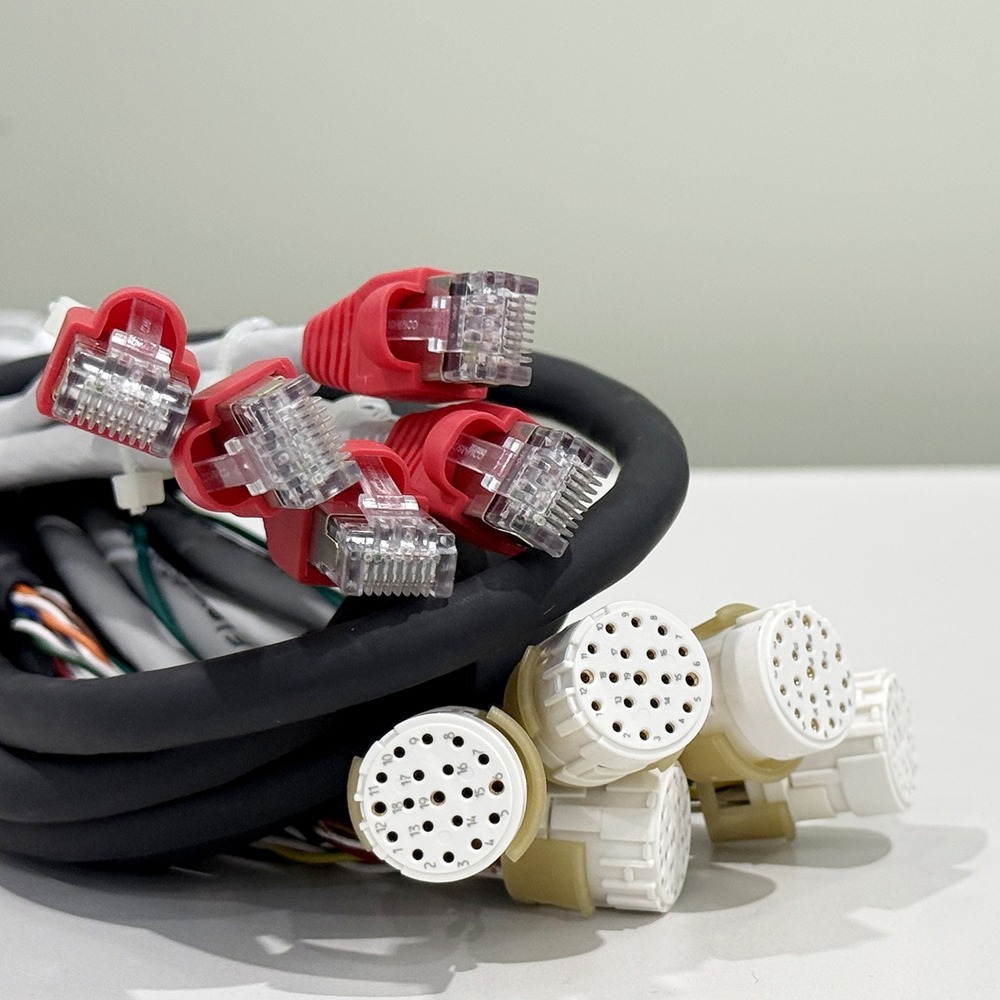
A sudden signal error in a robotic surgery suite, unstable data transmitted by an autonomous vehicle’s sensors, a momentary drop in an aircraft’s navigation system—behind all these critical moments lies a single common culprit: Electromagnetic Interference, or EMI.
Hundreds or even thousands of signals must be transmitted accurately and rapidly through these slender wires. However, the world we live in is saturated with electromagnetic fields. Electromagnetic waves generated by motors, power supplies, wireless communications, and even other cables constantly disrupt these signals. Especially in fields like medical robotics, where millimeter-level precision is directly linked to human life, EMI is a challenge that can never be overlooked.
│ What is EMI: The Invisible Noise
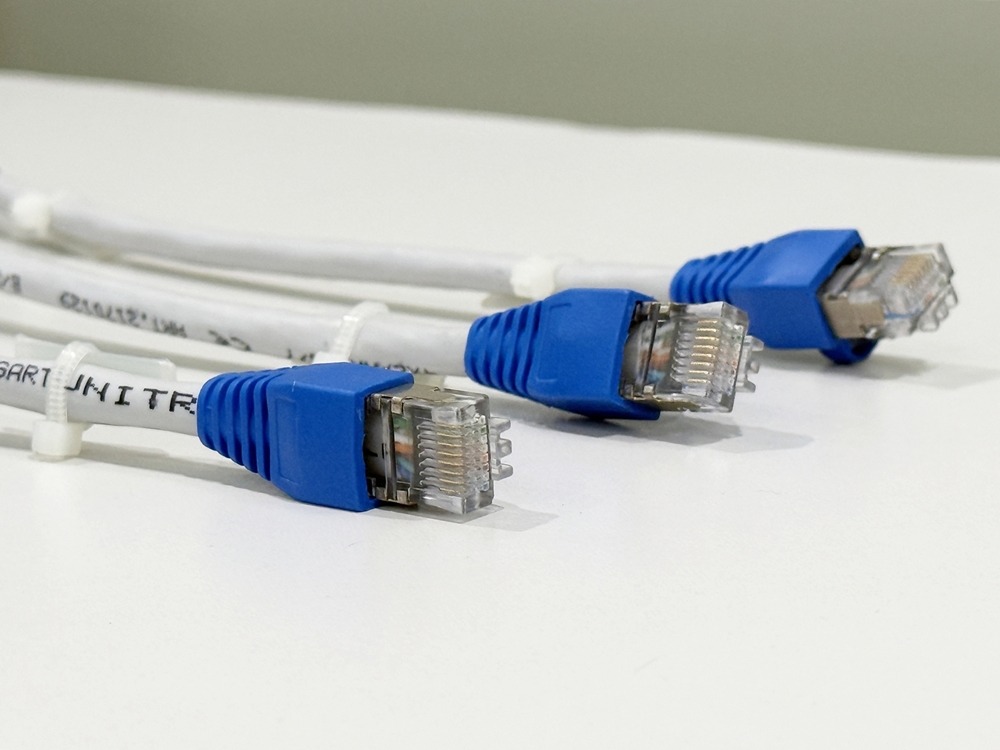
EMI = Electromagnetic Interference
EMI manifests primarily in two forms: conducted and radiated. Conducted EMI refers to interference transmitted directly through power lines or cables. Its major sources include AC power lines, motors, variable frequency drives (VFDs), and welding equipment. Radiated EMI refers to interference transmitted wirelessly through the air; this category includes near-field interference and crosstalk within cables. *Crosstalk: A phenomenon where signals flowing through one pair of conductors leak into an adjacent pair.
📌 Here are four core strategies to minimize EMI noise in wiring harnesses:
1️⃣ Twisted Pair: Why an 1881 technology remains effective today
2️⃣ Shielding: A cage that traps electromagnetic fields
3️⃣ Signal Separation and Route Design
4️⃣ Grounding: Designing a safe return path for EMI currents
The methodology for reducing EMI noise in wiring harnesses can be summarized as a philosophy of breaking the chain of interference at three stages: “Generation, Transmission, and Reception.” Below, each strategy will be explained systematically.
🔗Strategy 1. Twisted Pair: Why an 1881 Technology Remains Effective Today
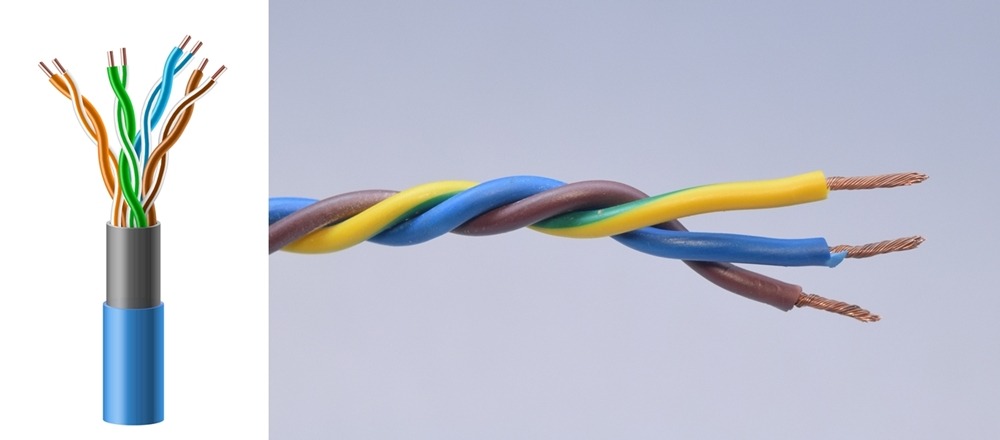
The “Twisted Pair Technology” patented by Alexander Graham Bell in 1881 remains the cornerstone of EMI mitigation even today, 145 years later. The reason lies in an astonishingly elegant physical principle.
When current flows in opposite directions through two parallel wires, their magnetic fields constructively add up in the space between them. If the wires are left untwisted, a non-zero magnetic field forms around them, which induces unwanted voltage in nearby circuits. However, when the wires are twisted together, the magnetic fields reverse direction with each adjacent half-twist, effectively canceling each other out. Because a higher twist density enhances this cancellation effect, the net magnetic field approaches nearly zero across the entire length of the cable, thereby reducing the induced voltage in neighboring circuits to virtually zero.
The actual test results were impressive. For a $1\text{m}$ cable in an untwisted state, adding the first $5$ twists yields a radiation reduction of approximately $25\text{dB}$. Adding another $95$ twists to reach a total of $100$ twists results in an additional $25\text{dB}$ improvement. Although the perceived efficiency per twist may diminish, selecting an optimal twist ratio remains the most cost-effective method for minimizing EMI noise.

🗑️Strategy 2. Shielding: A Cage That Traps Electromagnetic Fields
Shielding becomes necessary when twisted pairs alone are not enough. Shielding is a method that blocks or reroutes electromagnetic fields by enclosing signal-conducting conductors within a conductive material. Various types of shielding methods exist, and they are selected based on specific frequency ranges, flexibility, and mechanical requirements.
-
Foil Shielding This method bonds a thin metallic layer to a polymer layer, providing 100% shielding coverage. While it is highly cost-effective, it has the drawback of slightly reducing cable flexibility.
-
Braided Shielding Constructed from a woven wire mesh, this type provides approximately 95% coverage due to the tiny gaps between the braids. It offers superior conductivity and exceptional mechanical durability compared to foil shielding.
For the most robust protection, combining both foil and braid is highly recommended. This involves double-protecting the overall wiring harness cable with a braid and foil, while also shielding each individual twisted pair with foil to block both external EMI and internal crosstalk simultaneously.
🚥 Strategy 3. Signal Separation and Routing Design
Physical separation is the simplest yet most effective method for minimizing EMI noise. Signal cables and power cables must be routed through separate conduits or cable trays. If they must cross, they should intersect at a strict 90-degree angle while maintaining as much clearance as possible. Furthermore, loops should never be created in the cabling; because a loop acts exactly like an antenna, it can significantly increase the reception or emission of EMI.
⚡ Strategy 4. Grounding Strategy
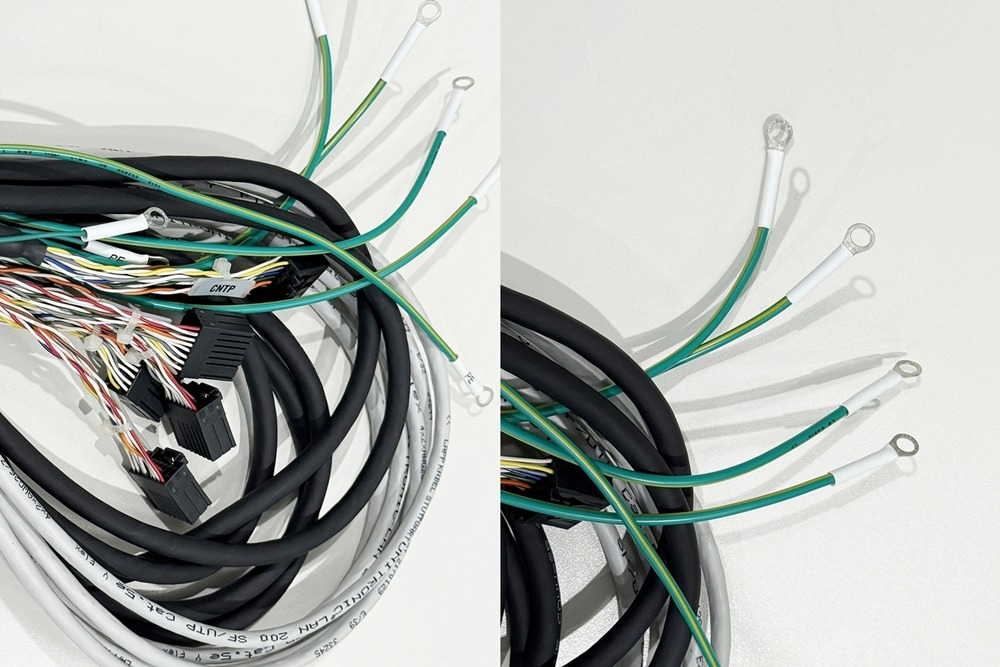
What is grounding? Grounding refers to connecting a target object to the earth via a grounding conductor, allowing electric current to flow safely into the ground.
Proper grounding is the foundation of effective EMI management. The drain wire of a shielded cable must be grounded at one end, and a grounding point with the lowest possible electrical noise should be selected. Care must be taken because grounding both ends can create a ground loop, which may inadvertently increase EMI. At the system level, implementing a Star Grounding approach is ideal. This involves connecting multiple grounds to a single, central point to prevent ground loops, while managing the grounding of each individual section through selective bonding.
Effective EMI management does not rely on a single solution; rather, it requires the integration of multiple techniques.
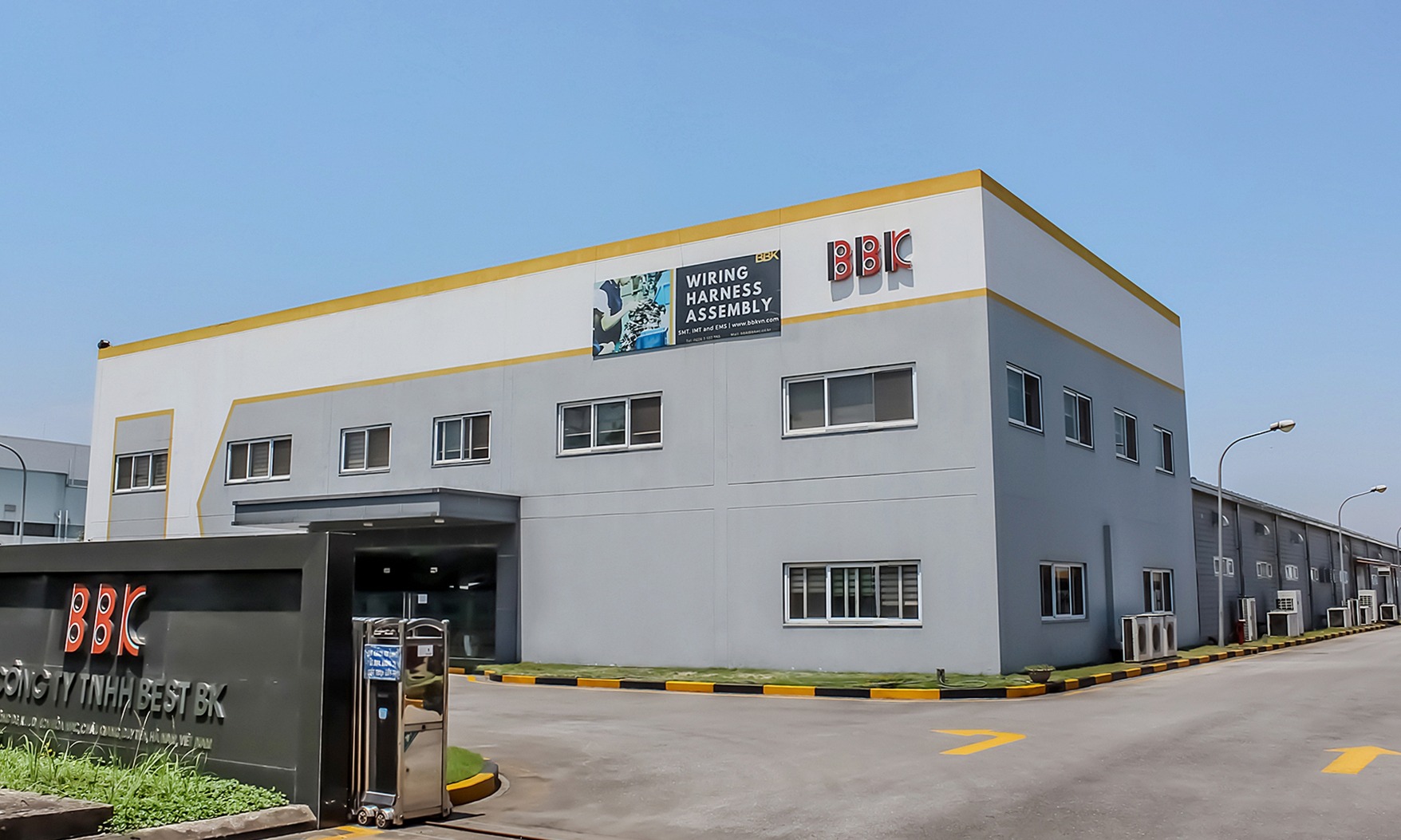
Shielded connectors suppress electromagnetic energy at the interface, proper grounding provides a clean path for high-frequency currents, and common-mode chokes filter out any remaining noise. This layered defense system tackles interference at multiple points along the signal path, maximizing the overall robustness of the system. When the optimal twist ratio, adequate shielding, flawless grounding, and smart layout design work in harmony, a wiring harness ceases to be a mere bundle of wires—it becomes a core asset that guarantees the quality of the device. At BK Electronics, we integrate all of these strategies to deliver reliable quality across a wide spectrum, from medical robotics to industrial wiring harnesses.
TEL.+82 031-456-2580 / MAIL. bksales00@bkec.co.kr