

09 16 Tips for Preventing Wire Harness Crimping Defects
Posted at 03:10h
in Digital column

In wire harness manufacturing and management, improper crimping can lead to critical quality issues such as poor contact, overheating, and wire disconnection. To prevent these problems, key precautions must be taken during pre-operation preparation, process control, and maintenance.
First, perform basic pre-operation inspections. Always verify that the specifications of the wire cross-sectional area, terminals, and crimping tools match 100%. Mismatched specifications will result in over-crimping or under-crimping. Additionally, strictly adhere to the strip length recommended by the terminal manufacturer. Regularly inspect the condition of the wire stripper blades to ensure the conductor strands are not cut, scratched, or untwisted during the stripping process.
📌 Key Quality Control Items for Crimping Process

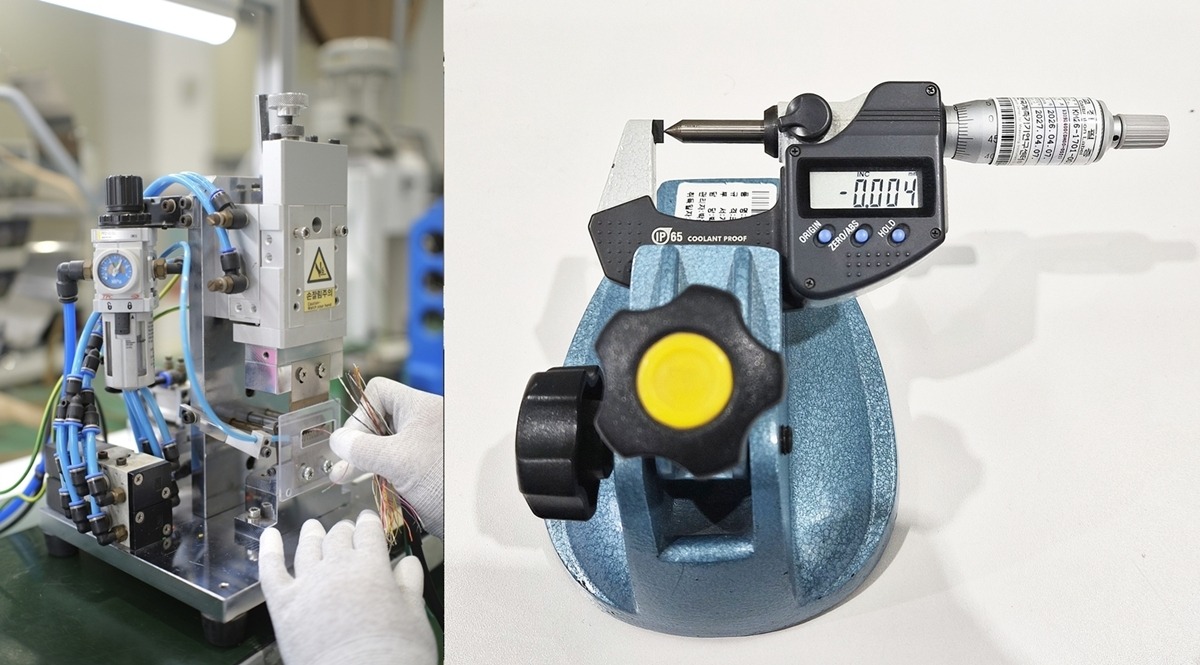
To ensure stable quality in wire harness production, critical maintenance must be focused on the applicator—the core equipment used daily in the field.
✔️ Foreign Object (Debris) Removal
First, the most basic yet essential step is foreign object removal: never leave behind metal chips that naturally occur during operation. Leaving these chips untreated can cause dent defects on terminals or dies. For thorough cleaning, blow away metal chips using high-pressure air at the end of every daily shift, and use a soft brush to clean hard-to-see fine debris. Finish by inspecting with a magnifying glass to check for any remaining fine residue.
✔️ Lubrication Management
Next, proper lubrication management is necessary to minimize friction, ensuring that the applicator’s moving parts operate smoothly without wear or stiffness. Inject specialized lubricating oil into moving parts and bearings, or apply a thin, uniform layer of grease to guide pins and slide areas. Excess lubricant can attract contaminants and metal chips; therefore, apply an appropriate amount weekly or according to the recommended maintenance cycle.
✔️ Crimp Height Adjustment
Finally, perform crimp height adjustments, which serve as the key metric determining overall quality. If the crimp height is too high, the wire can slip out; if it is too low, the core strands will break, leading to defects. Every day before starting work, crimp 3 to 5 sample pieces, measure their precision with a dedicated gauge, and compare the results with the terminal specifications. If any discrepancy is found, use the adjustment dial to fine-tune the height in 0.01 mm increments.
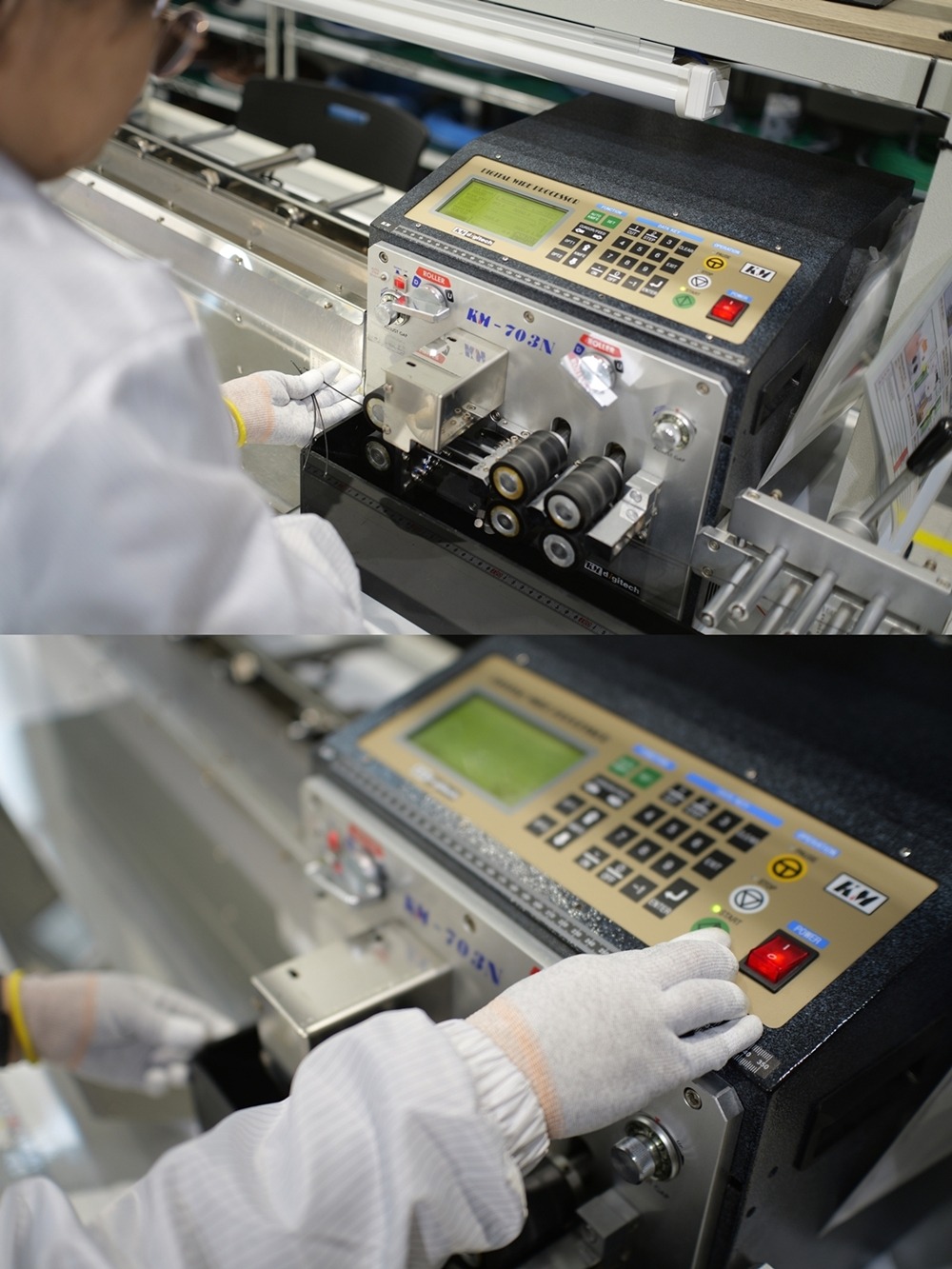
“Equipment maintained in top condition
delivers flawless crimping quality.
Daily small inspections
prevent major quality failures.”
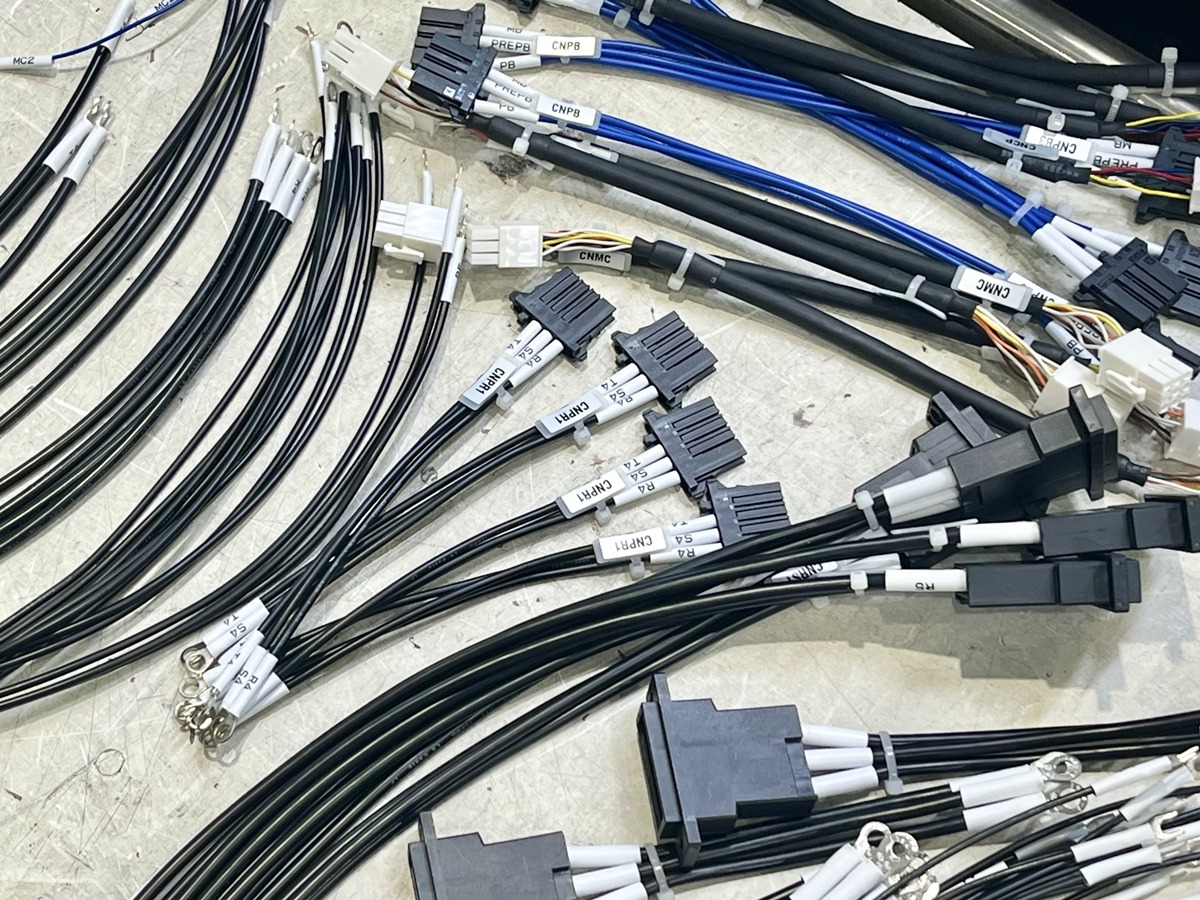
“Thorough management of wire harness crimping defects is essential, as they can lead not only to simple wire disconnections but also to critical quality failures such as poor contact, overheating, and short circuits. Preventing crimping defects starts not with complex technology, but with basic daily equipment cleaning and precise height inspections. We hope you will step-by-step apply the manual outlined today in the field to achieve stable, high-quality production. 😊”