

05 23 Guide to Matching Wire Specifications and Connectors
“Guide to Matching Wire Specifications and Connectors”
In this complex network where countless electrical signals and power flow, reliability is not just a matter of performance—it is directly linked to the safety of the entire system. Therefore, the proper matching of wire specifications and connectors is one of the most critical factors determining harness reliability. It demands a systematic approach that comprehensively considers electrical characteristics, mechanical conditions, environmental factors, and manufacturability.
Wire and Connector Matching Guide for Cable Harness Reliability
First, matching from an electrical perspective forms the foundation. Wire specifications are typically expressed in AWG or SQ units, which directly impact allowable current (ampacity), resistance values, and voltage drop. When designing, you must consider not only the normal operating current but also the maximum load current, inrush current, and temperature rise conditions. For example, in a circuit where 5A flows continuously, it is advisable not to simply select a wire with a minimum allowable current of 5A; instead, you should apply a wire gauge one step higher, factoring in ambient temperature, wiring density, and a safety margin.
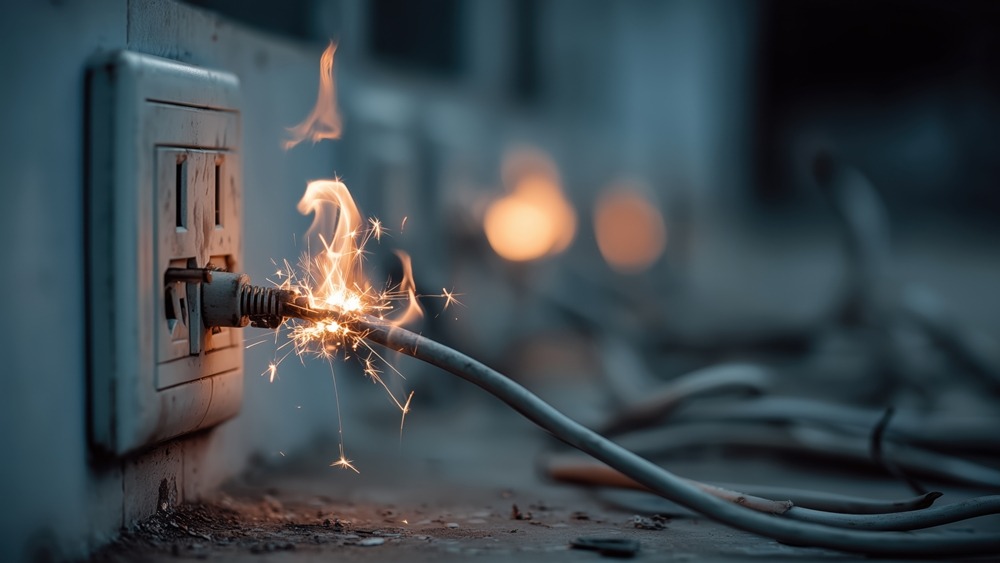
At the same time, the connector must also meet the corresponding current rating, and its contact resistance and temperature rise characteristics must be verified. Even if the wire itself has sufficient capacity, if the connector contacts cannot withstand the load, heat generation and poor contact will occur, causing a sharp decline in reliability.
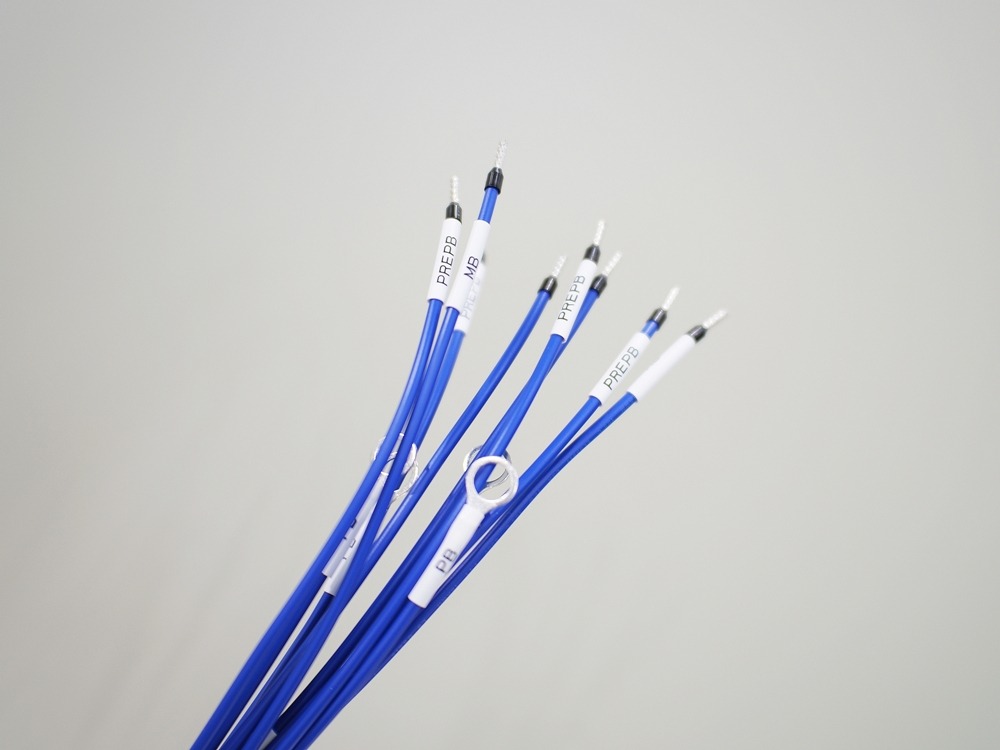
Second, mechanical compatibility is essential. Connector terminals strictly define their applicable wire gauge ranges. For instance, if a specific crimp terminal is optimized for the AWG 20–24 range, forcing a thicker wire into it can cause conductor damage or incomplete crimping.
Conversely, using a wire that is too thin may result in the tensile strength falling short of required standards after crimping. Therefore, it is critical to comply with the applicable wire range specified in the terminal datasheet and to verify quality through crimp height measurements and pull-force (tensile) testing. Especially in equipment subject to continuous vibration, the mechanical bonding strength between the terminal and the wire dictates long-term reliability.
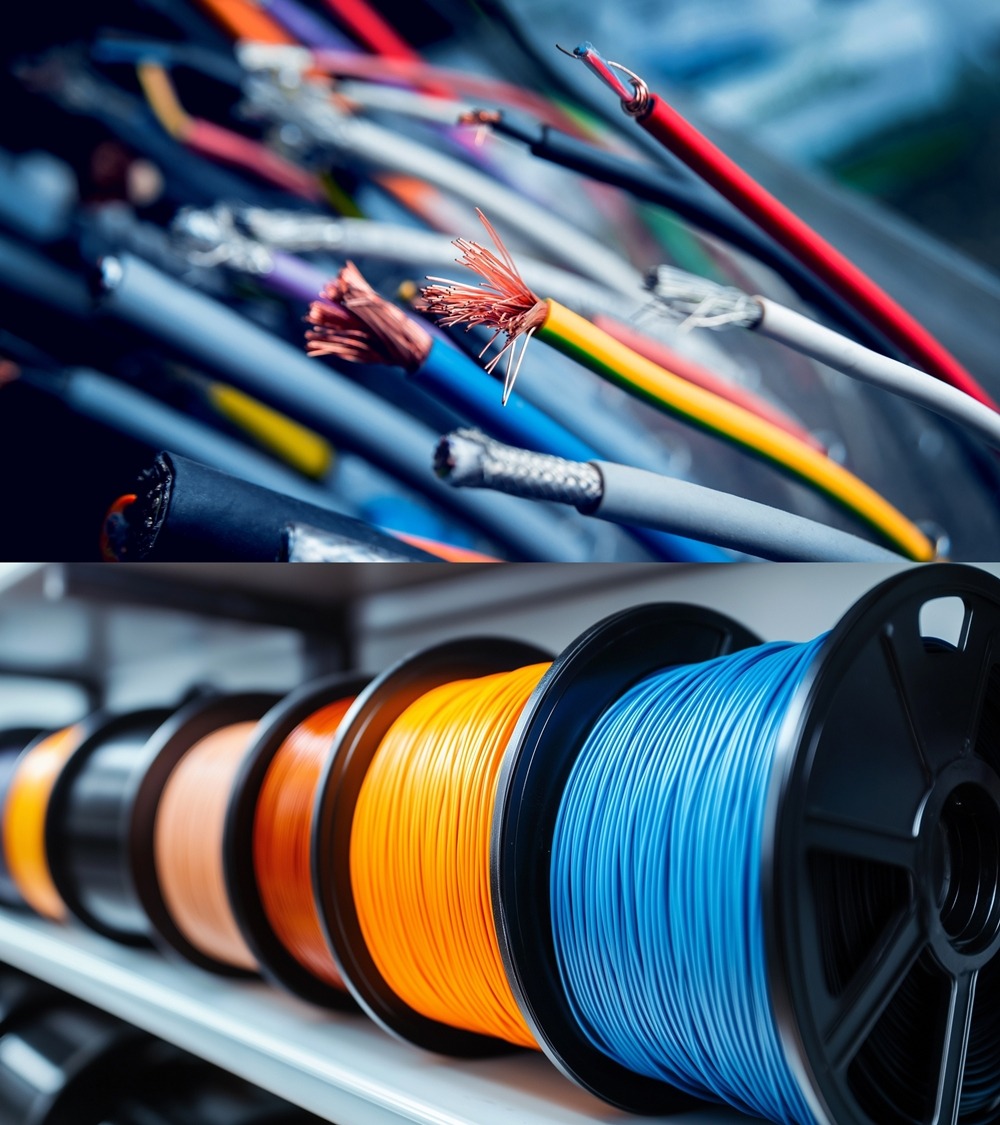
Third, a matching strategy based on environmental conditions is required. In high-temperature environments, both the insulation rating of the wire and the heat-resistance properties of the connector housing material must be evaluated together. If exposed to moisture or chemical substances, waterproof connectors with an appropriate IP rating and seal structure must be adopted; in this scenario, the compatibility between the wire’s outer diameter (OD) and the sealing structure plays a critical role. Sealed connectors have strict limits on allowable outer diameters, meaning the selection must be based on the finished OD, including the insulation thickness. If the outer diameter does not match, the waterproofing performance cannot be guaranteed.
Fourth, careful consideration of signal characteristics is necessary. For high-speed signals or communication lines, impedance matching and shielding are more crucial than simple current capacity. You must take into account configurations such as twisted pairs, braided shields, and drain wires, and select connectors compatible with these designs. When power and signal lines are mixed within the same connector, the pin layout and spacing must be carefully engineered to minimize noise interference.
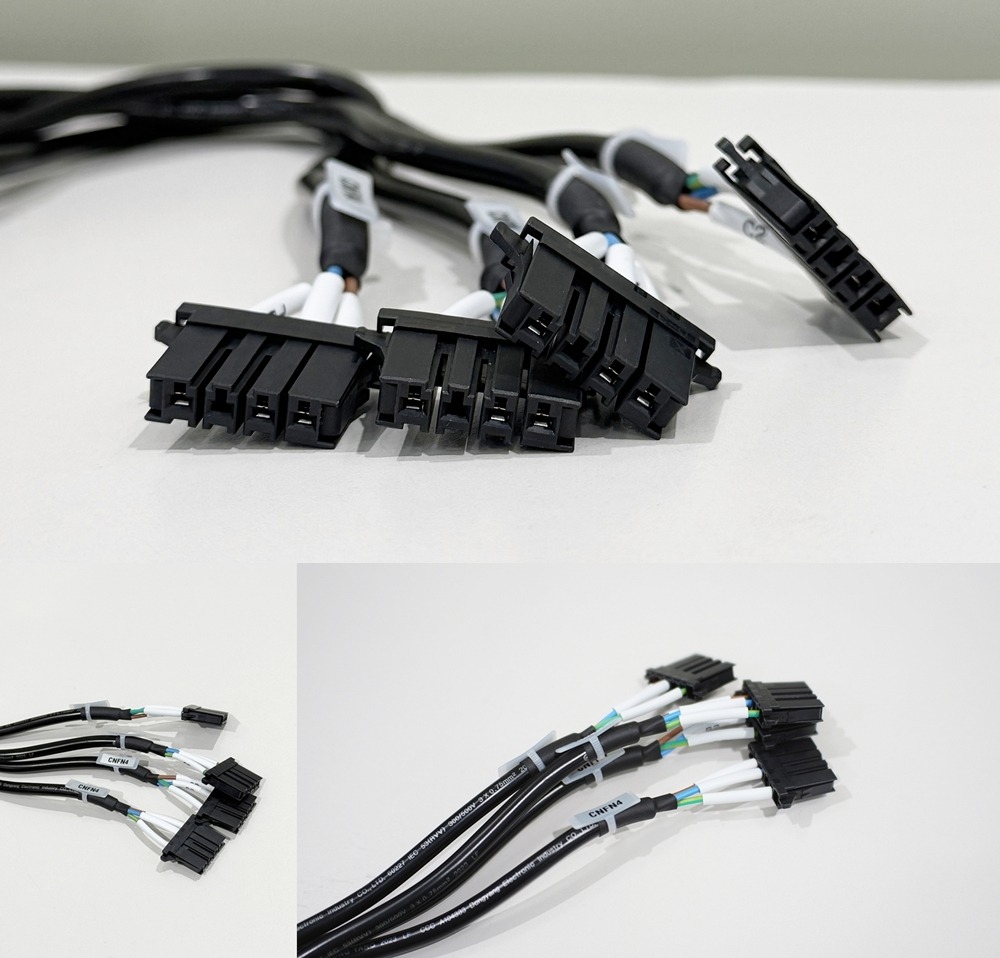
Lastly, manufacturability and on-site quality control are also vital components of reliability. Using too many different wire specifications during the design phase complicates the production process and increases the likelihood of misinsertion or incorrect assembly. Whenever possible, it is highly recommended to standardize circuits with similar current ratings under the same wire gauge, thereby simplifying the process and stabilizing overall quality.
Cable harness reliability cannot be achieved simply by choosing a good individual wire or an individual connector. This is because the strength of the entire chain—spanning from wire specifications and terminal crimping to connector housings and environmental protection—is ultimately determined by its weakest link. Verifying specifications by cross-referencing manufacturers’ datasheets from the earliest stages of design, and conducting tests that simulate real-world environments, is the only definitive way to ensure system survival. This systematic approach is the most foolproof method to realize high-quality cable harnesses and, ultimately, elevate the reliability of the entire product.
📞 Phone: +82 31-456-2580
📧 Email: bksales00@bkec.co.kr