10 07 Complete Guide to the Cable Harness Manufacturing Process📒
「Complete Guide to the Cable Harness Manufacturing Process📒」
Here is a detailed, step-by-step walkthrough of the entire process, from raw material preparation to 100% inspection.
Cable harnesses serve as the circulatory and nervous systems of electronic devices, automobiles, and industrial equipment. Inside complex machinery densely packed with wiring, they undergo strict and precise manufacturing processes to ensure the reliable transmission of power and signals. Below is a detailed, step-by-step overview of the core manufacturing processes required to produce a fully finished cable harness.
1. Material Preparation
The foundation of high-quality cable harness production begins with accurate material preparation. Based on engineering drawings and work instructions, required components—including wires, terminals, connectors, housings, heat-shrink tubing, and protective sleeves—are sourced and verified. Wire specifications, insulation properties (such as heat and oil resistance), and terminal specifications are thoroughly inspected in advance to ensure full compliance with design requirements.

2. Cutting
Once material preparation is complete, the wires enter the cutting process, where they are precisely cut to the required lengths while stripping the insulation at the ends. Automated cutting machines are primarily used to input quantity and length, allowing for uniform, high-volume production. Strict tolerance management is critical during this stage: if the cut length is too long or too short, it can cause spatial interference during final assembly or create excessive tension, leading to potential wire breakage.
3. Stripping / Crimping / Terminal Insertion
During the stripping process, insulation is cleanly removed using a stripping machine. Great care must be taken to ensure that the inner conductors are neither nicked nor broken. Next, the crimping process mechanically and electrically joins the bare wire conductor to a metal terminal. This step requires the highest mechanical reliability in the entire cable harness manufacturing process. Once crimping is complete, the terminal is inserted into the designated pin position of the plastic connector housing. The insertion process must be verified by listening for a clear “click” to ensure the terminal is properly locked in place.
4. Labeling
Labels are applied to identify each cable’s function, circuit number, and manufacturing information within complex harness assemblies. Operators must verify the label placement, orientation, and print legibility. To prevent labels from peeling or degrading due to heat or oil exposure after installation, waterproof and heat-resistant materials are selected.
5. Visual Inspection
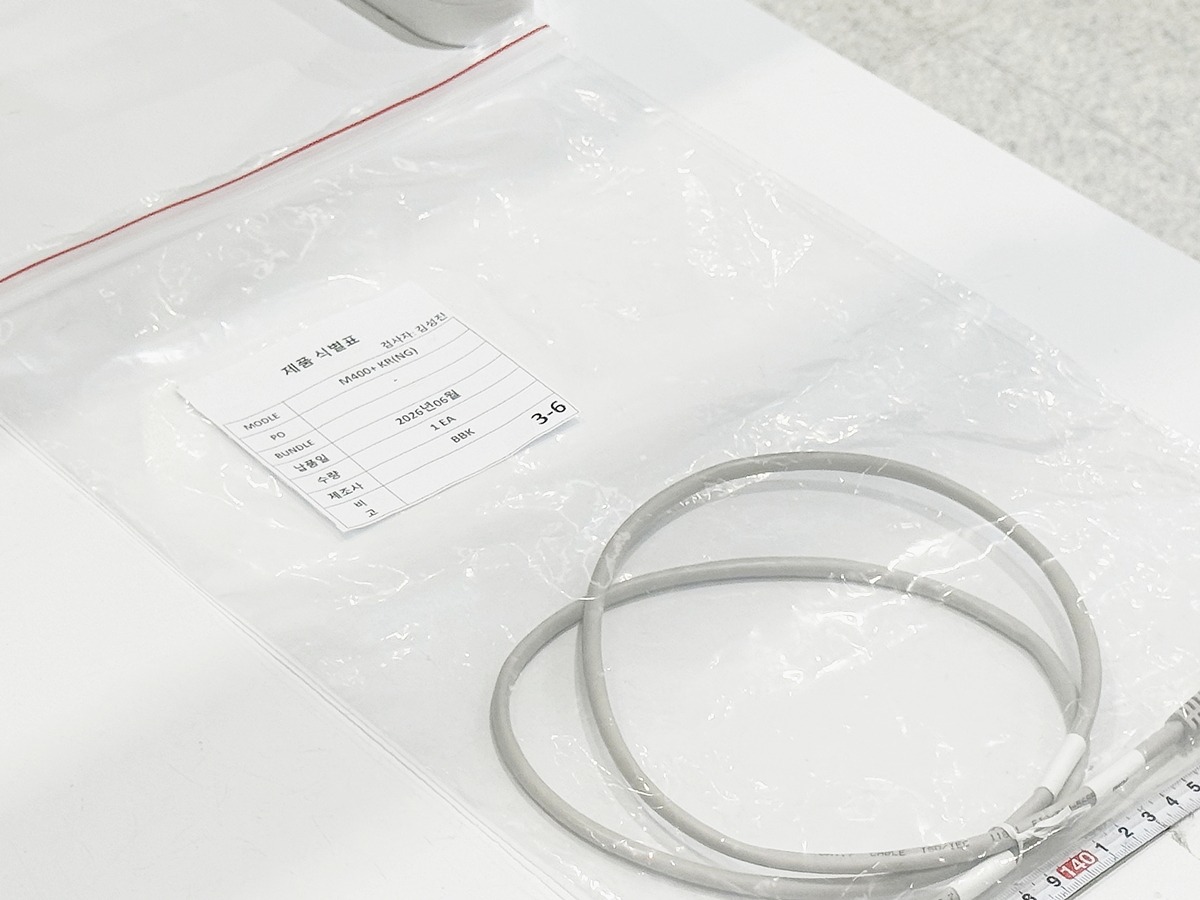
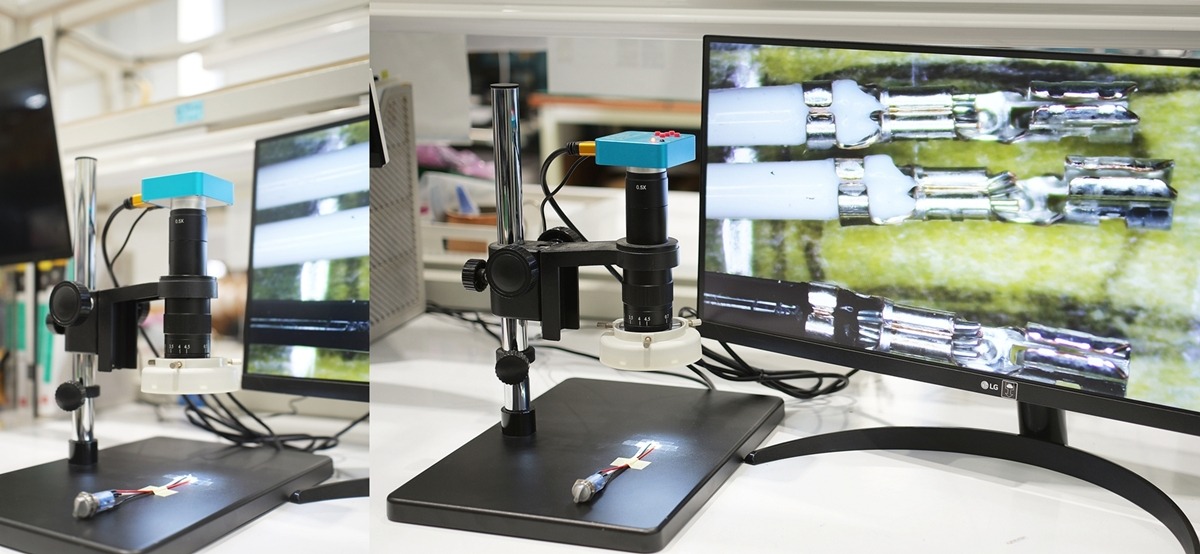
During the visual inspection phase, human inspectors or automated vision systems examine the finished cable harness for structural and cosmetic defects. Key checks include inspecting connector pins for bending, deformation, or improper insertion, as well as verifying wire insulation for damage or pinching. Inspectors also ensure that tie wraps, bands, and protective tubing are properly attached and finished.
6. Electrical Testing (Continuity & Insulation Test)
The final step is electrical testing, where 100% full inspection of the product’s electrical characteristics is conducted to ensure flawless power and signal transmission. This phase includes open/short tests to verify circuit continuity and prevent cross-shorting, miswiring tests to confirm correct pin-to-pin connections, and dielectric withstand (hipot) and insulation resistance tests to ensure no current leakage occurs under high-voltage conditions.
7. Packaging & Shipping Preparation
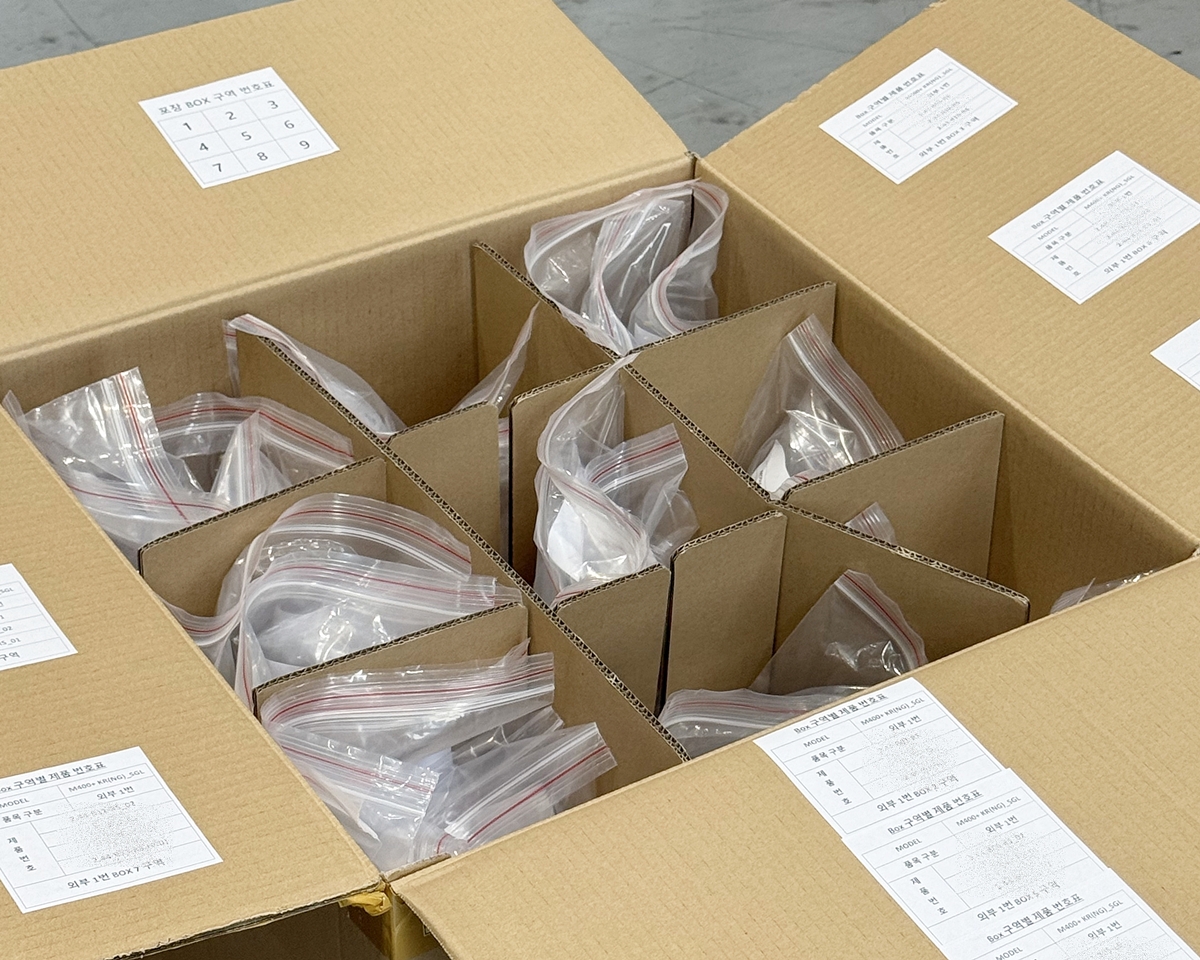
In the packaging process, finished products that have passed all electrical testing are prepared for safe delivery to the customer. This step protects the products from impacts, vibrations, and moisture during transit, while also verifying final quantities to ensure defective-free products are delivered to the customer in pristine condition.