

08 19 The Wire Harness and Its Critical Tests

“With Reliable Wireharness”
Why Not a Single Wire Can Be Taken Lightly
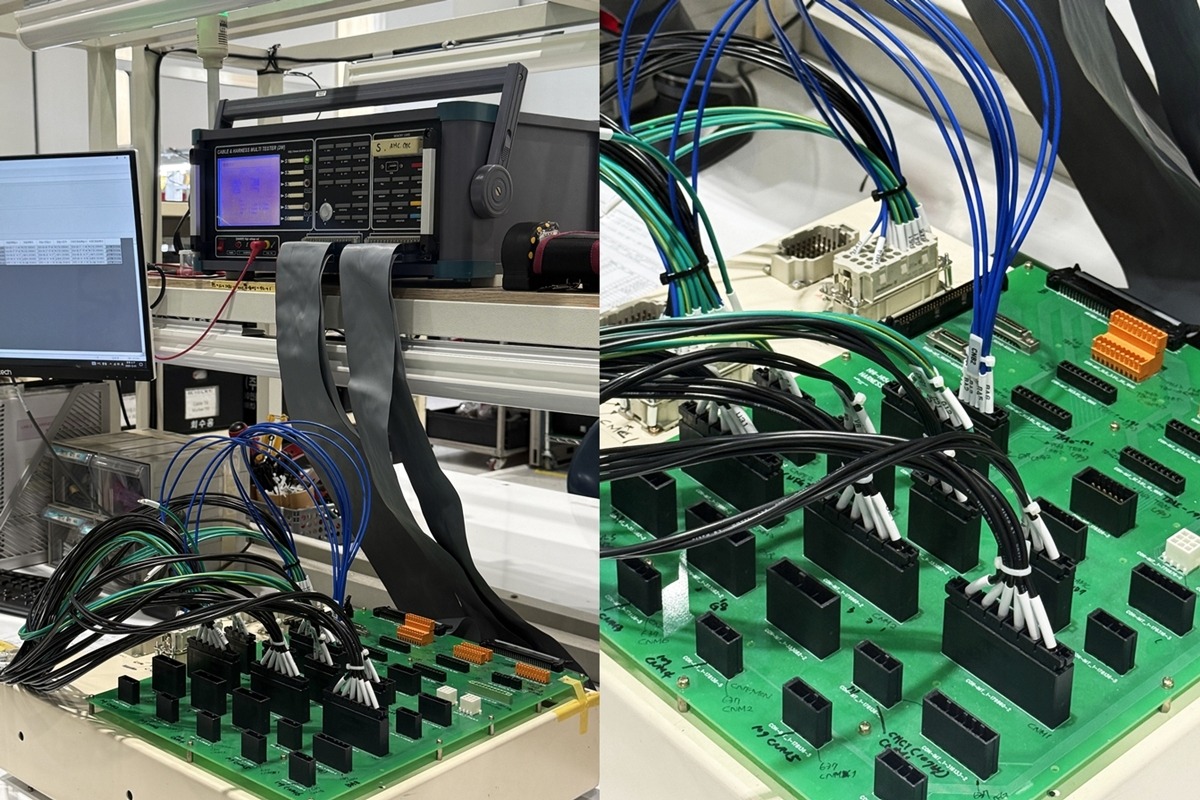
🚦The First Test: Continuity Test
🚦The Second Test: Withstand Voltage Test
If the continuity test is a process to check whether “the road is connected,” the withstand voltage test is a process to test whether “the walls of that road are strong enough.” In this method, a high voltage—several to dozens of times greater than the voltage flowing during actual product operation—is applied intensely and instantaneously between the wire and the insulator. If there is an invisible, microscopic scratch on the insulation or if the insulation state is unstable, it cannot withstand this high voltage, creating an electrical spark that causes the tester to issue a failure notice.
The withstand voltage test is the final stage that proves the safety of the harness.

🚦And Insulation & Resistance Test
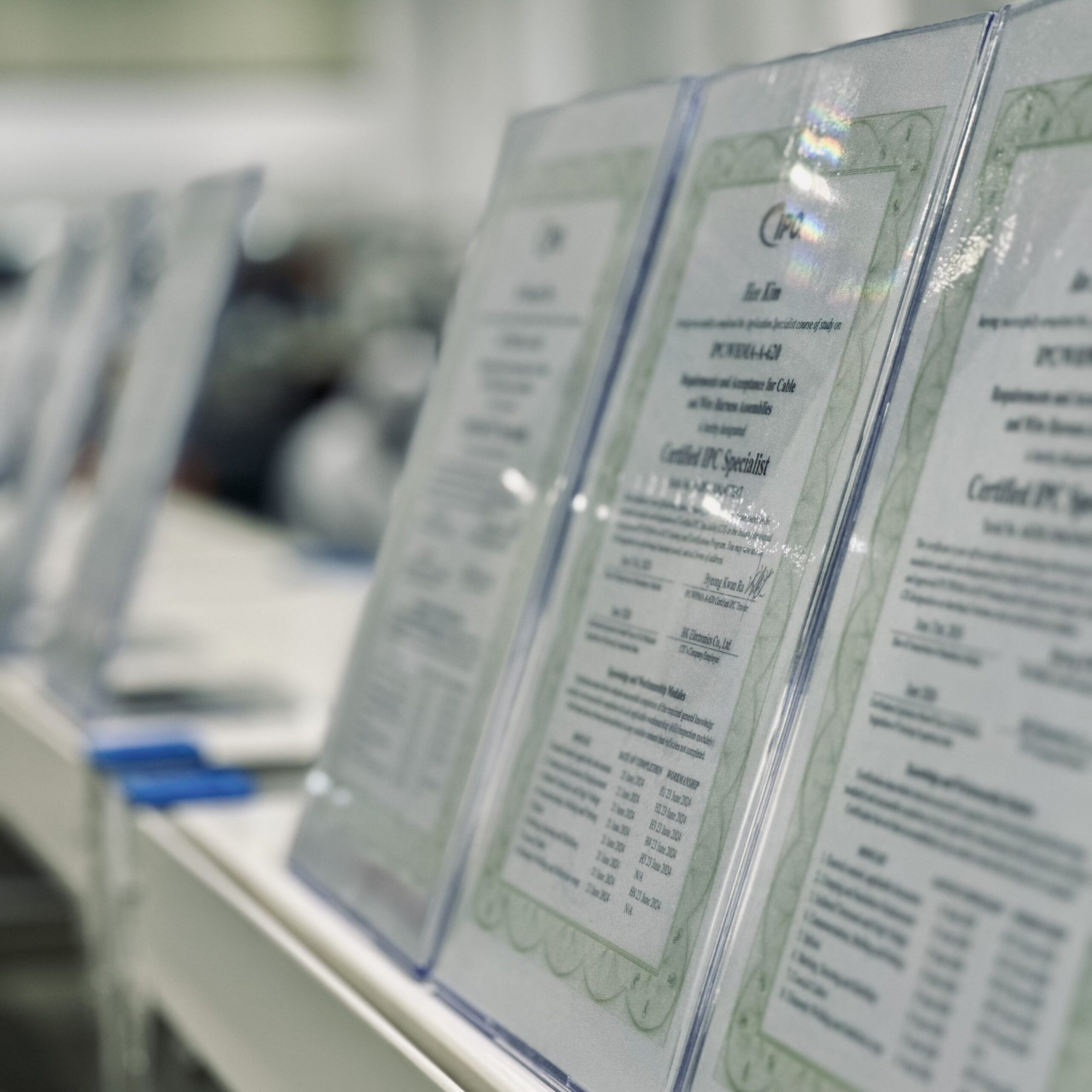
An Uncompromising Pursuit of Perfection: The Wire Harness
Only wire harnesses that have successfully passed both the continuity test and withstand voltage test are finally labeled, packaged, and shipped to our clients. To the untrained eye, it may look like nothing more than a bundle of wires tightly wrapped in vinyl tape and tubing. However, inside lies the precision that tolerates not even a single strand of error, along with rigorous quality standards that prioritize user safety above all else.
If you are considering custom wire harness production, contact BK HARNESS. 📞